
OSHA Enforcement Analysis
Data-driven reports examining patterns in federal OSHA enforcement nationwide. All analysis is based on public records from the U.S. Department of Labor.
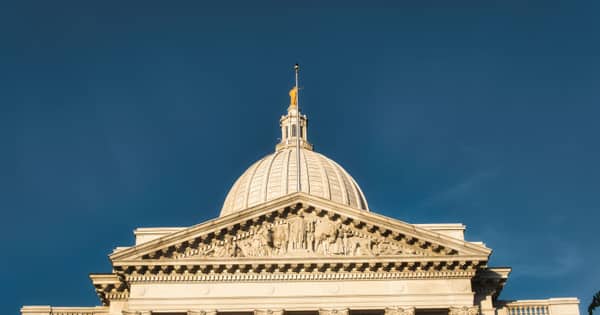
Which states run their own OSHA program instead of federal OSHA. The full list of state plans covering private and public workers, the public-sector-only plans, and what state-plan status means for workers and employers.

How Cal/OSHA, California's state OSHA plan, works and what the enforcement records show: 376,059 inspections, 686,008 violations, and the California Title 8 standards cited most, from the Injury and Illness Prevention Program to Heat Illness Prevention.

Counts from OSHA's published Form 300A files: how many establishments report, how many recordable cases and deaths, and the industry breakdown for 2016 to 2024.

General industry (29 CFR 1910) vs construction (29 CFR 1926) by the enforcement records: 2024 citation totals, a 2021 to 2025 trend, penalties, and the most cited standards in each.

The official OSHA inspection types and what triggers each, with how often each occurred in 2024 and a 2021 to 2025 trend from federal enforcement records.

OSHA's official Top 10 most cited standards for FY2025, with citation counts from 2020 to 2024 and current penalties from the federal enforcement records.

What the OSHA enforcement records show for 2024: 75,927 inspections, 133,724 violations, and $342.4 million in current penalties, with year-over-year context and the most cited standards.

Fall protection is OSHA's most cited standard. Citations under 1926.501(b)(13) rose to 5,782 in 2024, presented alongside BLS data on fatal falls in construction.

OSHA penalty maximums and 2024 averages by violation type, plus why current penalties are usually lower than the amount first assessed.

BLS recorded 5,070 fatal work injuries in 2024, led by transportation incidents, presented side by side with OSHA enforcement figures for the same year.
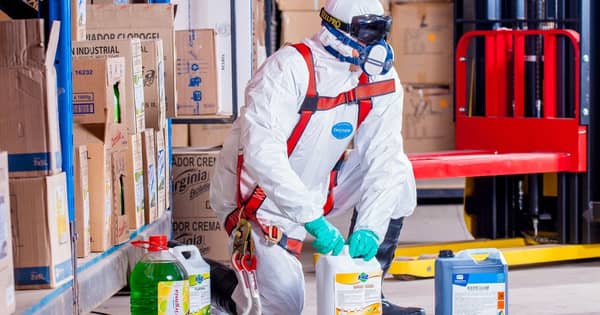
Hazard Communication is OSHA's second most cited standard. Citations rose to 8,184 in 2024, led by the written program and worker training requirements.

Analysis of initial vs. current penalty amounts across all violation types, showing how often and by how much OSHA fines are reduced through settlements, informal conferences, and other proceedings.

Comparison of complaint-driven, programmed, accident, and other inspection types to see which are most likely to result in citations and which lead to the highest penalties.
How has OSHA enforcement activity changed over time? Track the number of inspections opened, violations issued, and penalties assessed each year across public OSHA records.

Analysis of how long employers take to abate OSHA violations after citation, with breakdowns by violation type, time brackets, and completion rates.
How does federal OSHA enforcement differ across Ohio, Pennsylvania, and Georgia? Compare inspection volume, violation rates, penalty amounts, and top industries.
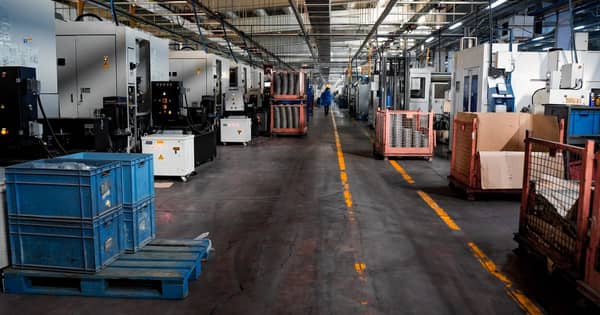
Side-by-side comparison of OSHA enforcement in the construction and manufacturing sectors, including violation severity, penalty totals, and the most commonly cited standards.
Related
More reports coming soon. Most reports cover all federal OSHA enforcement data nationwide. The state comparison focuses on OH, PA, and GA.
Data Source and Methodology
Data synced dailyData on this page comes from the U.S. Department of Labor's OSHA enforcement database, accessed via the DOL public data API. Records are updated daily. We strive for accuracy, but errors in data processing or establishment grouping are possible. Penalty amounts reflect the latest penalty amounts on record in the DOL database and may differ from initial assessments or final amounts after informal conference, settlement, or judicial review. Company pages group inspection records by normalized employer name, city, and state as reported in OSHA records. That grouping is deterministic and non-fuzzy, but it is not a universal legal-entity identifier. If you believe any record is inaccurate, please report it and we will investigate. This product uses the DOL Data API but is not endorsed or certified by the DOL. For official and authoritative records, visit osha.gov.